What is SaaS Web Development, and How Can You Create an Application?
SaaS applications have become increasingly popular over the last decade and have
largely replaced licensed applications for B2B and B2C operations. Some
estimates suggest that as many as 99% of businesses use one or more SaaS
solutions.
"I run the largest B2B LinkedIn ads agency in the US.
The Big Tech Platforms team are amazing. I've known the
co-owner, Sam for years on LinkedIn. Followed his
actionable tips for SEO and websites. We recommend
Big Tech Platforms for any SEO, paid search or website
requirements. Always excellent feedback and results.
They are your team."
John Foshee
CRO @ Porter Logistics
"I vetted 4 providers and put them through a fairly
strenuous knowledge test on web design, marketing,
and SEO. Big Tech Platforms delivered an excellent looking,
fast-loading website along with solid content and
technical SEO. I like to move fast and they were
able to keep up. We now rank position 1–7 for
multiple search results. I'll be going back for
updates in the future."
Phil Hussey
Managing Director Advanced
Card Bureau Inc
"Since the new website and branding went live we saw
an instant improvement in the quality of the new
leads we were receiving. We have also received lots
of positive comments about our new look branding.
Working with Big Tech Platforms has been a breath of fresh
air. They kept us up to date on every stage of the
project through phone calls and emails. Because of
the ease of the whole process and how impressed we
were, we have now increased spend with Big Tech Platforms to
help us with SEO & PPC."
Jason
Director at Leading Marketing
Company
"Big Tech Platforms helped us out of a terrible hole, and
they were great about it. In just two months, WEB
CHOICE successfully delivered a quality website -
the code was clean, the team stayed on time and
within budget. Moreover, they were helpful and
proactive; they handled the project effectively and
were responsive through emails and phone calls and
quick to solve issues."
Matt Wiggins
Director at Southern Cross Flooring
"We had next to no online visibility or rankings.
Thanks to Big Tech Platforms clear improvements were made.
The keyword research, content and targeting has
taken us from just 100 organic keywords to almost
2000 in under a year, we also rank on the 1st page
for
numerous keywords when before we'd be languishing on
page 3, 4 or more! Inbound leads are up and our
bookings have been fuller than ever. I would
thoroughly recommend speaking to Big Tech Platforms to see if they can help you with SEO."
Jan Mikulin
Owner
"Big Tech Platforms were keen to understand both our
short-term and long-term goals, and more than happy
to advise on technical details. They even shared a
couple of eBooks with zero obligation. Their
patience and support across my detailed selection
process
were indefatigable and they consistently
demonstrated commitment to the project's success."
Jacob Mummery
Manager at TreeSOS
"After speaking to Big Tech Platforms, they had the
knowledge and professional edge compared to other
web companies. A brand new website was designed,
with checks all throughout the process to see that
we were happy with it. An ongoing SEO project which
we are
updated on every month. A huge amount of work is
done by Big Tech Platforms for this and it has benefited our
growing business. PPC campaign is being run by Big Tech Platforms which has tripled our leads."
Shane Jeavons
Sales Director @ Jeavons
"Sam and the team have taken care of our website
design, complex portal to link in with our
management software and marketing management. Sam
and the team are reliable, responsive and I would
have no doubt in recommending them either for
website design,
SEO or Adwords management."
Mark Grindey
Director at USABSS GROUP
"We have used Big Tech Platforms for 2 websites now and also
our marketing/SEO for our hosting company. They were
able to take our idea's and get it exactly how we
envisioned it. They kept us updated on every step
and the team were very quick to make any changes
we needed. We now have an ongoing relationship with
Web choice and look forward to working with them
more in the future and on our marketing campaigns."
Alina Kantville
Director @ JK Doors
"Their incredible web design and development, SEO
and paid ads management performance is shown on our
company's increase in sales and traffic. Because of
Big Tech Platforms, there's also an increase in conversions,
providing us with a consistent flow of daily
leads!"
What Are SaaS Applications?
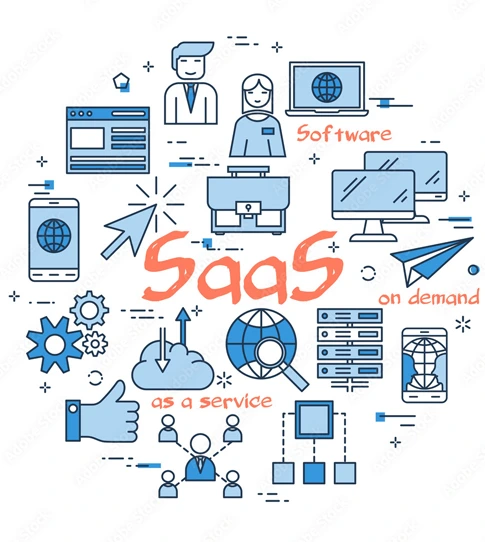
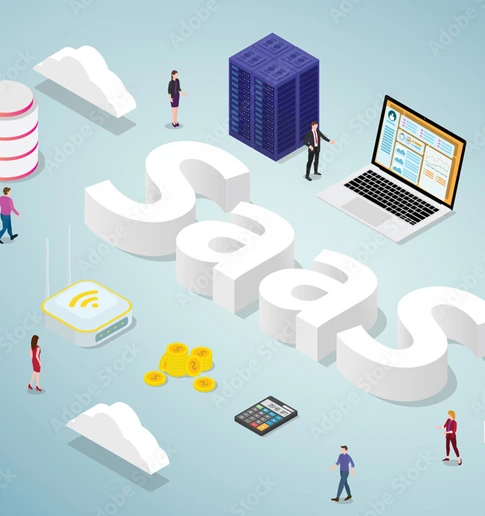
SaaS stands for software as a service. SaaS applications have largely taken over
from one-time licensed products. The SaaS model is preferred by consumers,
organisations, and businessesof all sizes.Software applications tend to be far
more affordable
and scalable, often offering access to their service for a monthly subscription
rather than a one-off (and often much more expensive) payment.
SaaS is used in many industries around the world. In fact, the global revenue for
these cloud-based services was already over $410 billion in 2021.
Increasingly, businesses are setting aside specific and increasingly large
budgets to spend on SaaS applications.
With such estimations surrounding the SaaS market, it is no wonder that more and
more companies are interested in developing SaaS applications of their own. As a
result, the potential for these apps continues to expand, as do opportunities
for businesses developing them.
The Move From On-Premises Software to SaaS Applications
Traditional software models saw businesses selling lifetime licenses to other
companies and consumers. Typically, this model meant that users paid a much
higher price for the software. It also tended to
mean that users needed to physically download updates and usually tied the
software to specific devices. If you downloaded the software onto one computer,
you couldn't access it on another device without
downloading it there.
Unlike traditional software, which exists on a local
device, SaaS data and tools are hosted on servers. Generally, you can use a SaaS
application from any number of devices so long as you
have the necessary login details. Some SaaS models require users to purchase a
premium subscription package if they want multiple users or devices to access the
SaaS application simultaneously. For instance, streaming
services like Netflix or Spotify have single-user or family subscription options.
Another difference between traditional software and SaaS models is the mode of
purchase. Standard software usually requires users to
make one significant payment. In contrast, SaaS applications often operate on a
subscription basis where users can pay for the service monthly and cancel at any
time if they feel the service is not suitable for their
needs or are not using it.
There are various reasons why SaaS applications have taken over as one of the most
popular software developments and why they have become so widely used in so many
different industries. One of the significant benefits of hosting an application on a
server
is that the cloud network system lowers the risk of an application going offline.
Even if one server goes down, the cloud network should keep the SaaS application
running without issue. Users, whether businesses or
consumers want reliability. This is something that cloud-based servers can often
provide. While users once had to wait months or even a full year for updates, that
is not the case with SaaS applications. Instead, web
apps automatically and regularly update, so users always have the latest version,
without needing to be aware of what updates are due and when. However, those using
SaaS on a desktop or mobile device still need to download
and schedule updates manually.
SaaS also allows users to log in from anywhere. Login details are all you need to be
able to access SaaS (software as a service) programs from anywhere. As a result,
users often don't have to download a specific program
onto their local device and can instead access the tools and services they need via
an internet connection. If a user wants to download a SaaS app, they only need an
internet connection. A SaaS app can be downloaded
on any device, accessed with a user's regular login details, and there is no need to
pay additional fees for the download. SaaS applications can usually be scaled with
relative ease. Users will often only need to upgrade
their membership or subscription to a package that better needs their growing needs
or users.
It is no wonder that so many people and businesses are choosing to use SaaS
applications when they offer such a variety of advantages, particularly over
traditional software licensing methods. And it is not just the user
that SaaS applications can benefit. Those launching a SaaS web development also
stand to benefit significantly.
The potential of rolling out a SaaS application is significant because the market
demand is growing. Businesses that focus on launching and improving SaaS
applications have a vast sea of users to whom they could appeal.
SaaS applications are also great because they provide a more regular, reliable, and
long-lasting income stream. In addition, unlike traditional software programs that
often demand an expensive one-off payment, most SaaS
developments rely on subscriptions.
Subscriptions are not only great because they provide businesses with consistent
earnings. The affordability of monthly subscriptions both positively impacts
users and businesses because lower prices make products more accessible.
A user interested in a particular service may not try it out if the price is too
high. For instance, when Photoshop sold lifetime licenses to access their
program for around $700, this price alienated potentially interested customers.
Likewise, students, hobbyists, and those entering the field would unlikely be
willing or able to access a product with this high price point.
And it is not just single users that lower monthly subscription pricing models
attract. It is also smaller businesses. Companies, especially those starting
out, tend to have limited budgets. As a result, high one-off payment licensing
models would not be accessible to these businesses.
Tiered subscription models simultaneously allow smaller businesses to try SaaS
applications while giving them the potential to scale. For example, a company
may start with a free or basic subscription and later choose to upgrade its
membership to meet its growing needs.
Before building a SaaS app, you must plan your development carefully. First,
you’ll need to know your target audience and conduct thorough market
research. Once you learn more about your SaaS model’s market, you can better
define your application’s purpose and main features.
Discovery
The discovery phase provides an opportunity to structure development plans
and produce guides that will help ensure you get the app you desire. These
documents will usually include:
Outline of requirements. The outline should cover general
aims, features, and the expected scope of work. You should also spend time
outlining the technical specifications your app requires.
Risk assessment. Consider what risks you are likely to face
and how your developers can reduce or mitigate these.
Features. You'll need to discuss what features you want on
your SaaS platform and how and how long these features will take to
implement.
Expected costs. All projects need a budget. It is vital that
you allocate how much of your budget is to be spent on which areas of
development.
Design
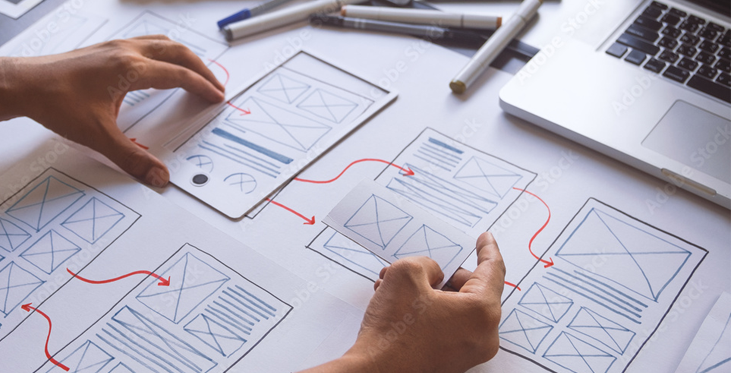
Part of the appeal of SaaS applications is their user-friendly design. As
part of the design process, you should focus on UI (user interface) and UX
(user experience) and how you can design these to better meet your
audience's needs. Many SaaS applications are used across different devices,
so you will likely want to spend some time ensuring your app works on
various devices.
Testing
No software development is complete without testing. Components and the
application as a whole should be tested to ensure that everything works.
This stage allows developers to fix any errors before the application is
launched.
Development
Most SaaS developers will initially launch a more basic version of their
application to a smaller group for testing and feedback. Following this,
developers can work on ironing out any issues and begin developing new
features that users want to see.
If you choose to use this iterative approach, as many startup businesses do,
you will need to make the initial SaaS available to end-users at large. This
step is known as deployment and usually involves developers preparing to
merge codebases and write any additional code needed.
The final step of SaaS app development
The final step of the SaaS model is actually an ongoing one. Once a SaaS app
has been released, developers must monitor and maintain it. This process
could involve fixing bugs and making improvements to enhance user
experiences and app functionality.
Popular Types Of SaaS Applications
SaaS is a widely used and favoured model in many B2B and B2C industries. However, the
SaaS model does not work for everyone. It is better suited to specific industries,
and businesses must consider whether a SaaS app suits
the needs of their users or not.
Some of the most popular B2B Saas applications include
Enterprise Resource
Planning (ERP)
These cloud-based applications are often complex and feature inventory, customer
relationship management, and accounting software that can optimise and even
automate operations.
Collaboration
The pandemic saw collaboration applications developing and expanding fast. From
2019 to 2020, there was a 322% rise in these types of apps, with businesses
continuing to employ tools like zoom and Google Workspaces.
Project management
With businesses adapting to more remote work styles, SaaS applications like
Trello have developed to help businesses and employees manage everyday
processes.
Marketing
Tools, from social media scheduling to analytics, have been adapted to help
businesses streamline marketing.
Examples Of B2C SaaS Applications
Streaming
Netflix, for movies and shows, and Spotify, for music, are among the
best-known streaming services for consumers.
Learning
Online learning apps like Duolingo feature free and premium versions of
their subscription plans, while Coursera provides access to their entire
library on a monthly payment plan.
Pricing Strategies Of SaaS
Applications
There are several different pricing systems commonly used by SaaS applications. There is
no right or wrong option for pricing, but it can help check competitors' pricing to
see what others are using.
Free
model
Many SaaS applications offer a free and premium version of their software.
Typically, users can access a core set of features with the free version of the
app and must pay more if they want to use the extra or premium
features. Remarkably, businesses that don’t request credit card information
during sign-ups are twice as likely to generate paying customers.
Pay per
feature
Other SaaS applications charge a pay-as-you-go rate where customers pay more for
additional services. For example, a company may pay depending on the number of
invoices a SaaS app generates.
Tiered model
Like the pay-per-feature model, tiered pricing charges customers more for the use
of additional features. However, tiered systems tend to base their pricing and
feature availability on different packages. So Hubspot,
for instance, sells starter, professional, and enterprise packages.
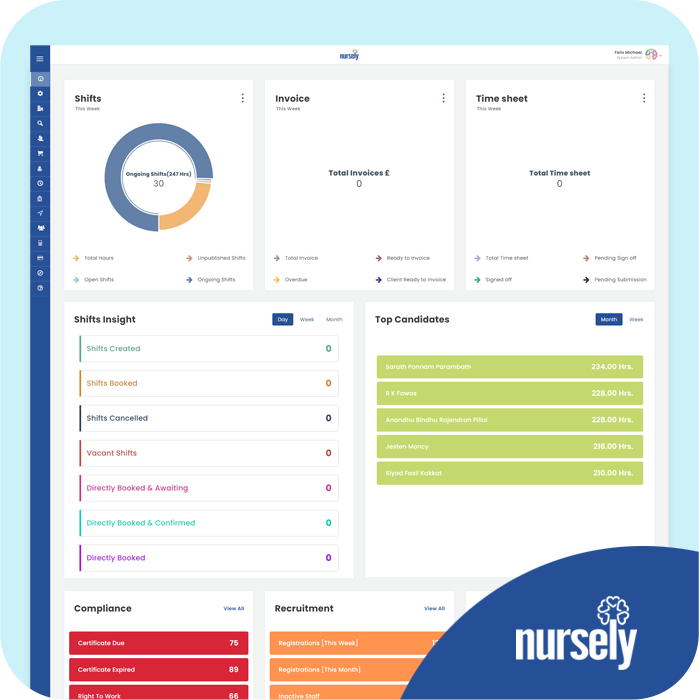
Large scale B2B and B2C platform that connects carers to care homes. 9 different types of
user accounts. SaaS platform includes messaging system, job posting, shift updates,
notifications, payments and more.
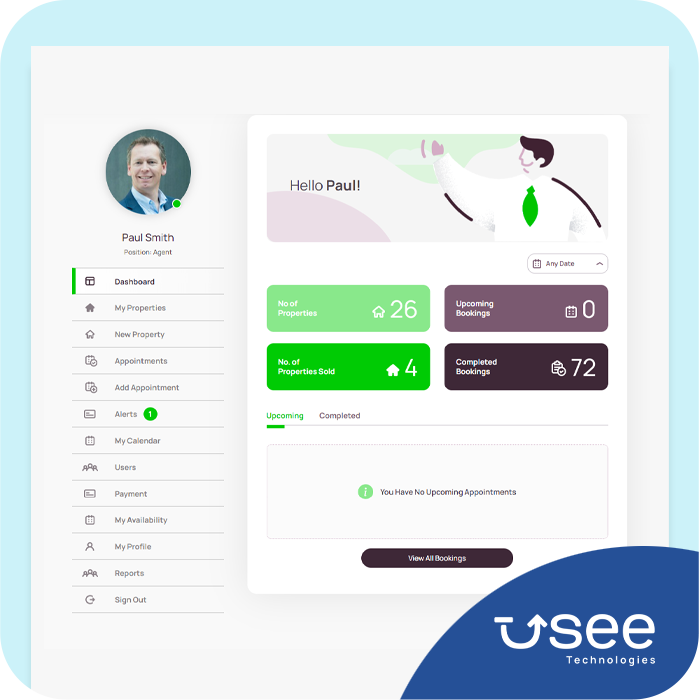
This SaaS web application connects buyers to real estate agents. They can view homes with
3D tours directly through the platform. Every real estate company has their own login on
the SaaS web development - fully branded, so they can update home listings, contact
buyers, amend properties and more.
Costs Of SaaS
Web Development
Our SaaS web development typically starts at $15k. We'd typically discuss your
goals and requirements in detail then if we agree there's a fit - work on an
assessment and tailored plan, approach and pricing for your project.
The costs of building and maintaining a SaaS application can vary greatly
depending on the location of the developers. Hourly wages for developers tend to
be highest in the US and lowest in Asia. Europe offers a middle
ground between price and quality.
How much does a SaaS application cost with your team?
Our SaaS web development for B2B and B2C tends to start around $15k.
How long does a SaaS project take to develop?
The timeline can be anywhere from 2-3 months for simple projects to 6 months + for
complex builds.
What's the best way to discuss a SaaS project?
Book a call with our
team to speak to a specialist and we can provide recommendations for your project.
Can you provide B2B SaaS Web Development?
Yes we have worked on a bunch of B2B and B2C web applications over the years.
Are your SaaS web projects built with open source technology?
Typically, yes. We work with a range of experts on our team so after discussing your
goals and make sound recommendations on what programming language makes sense to hit
your goals.
Ready To Grow Your Business With SaaS Web Development?